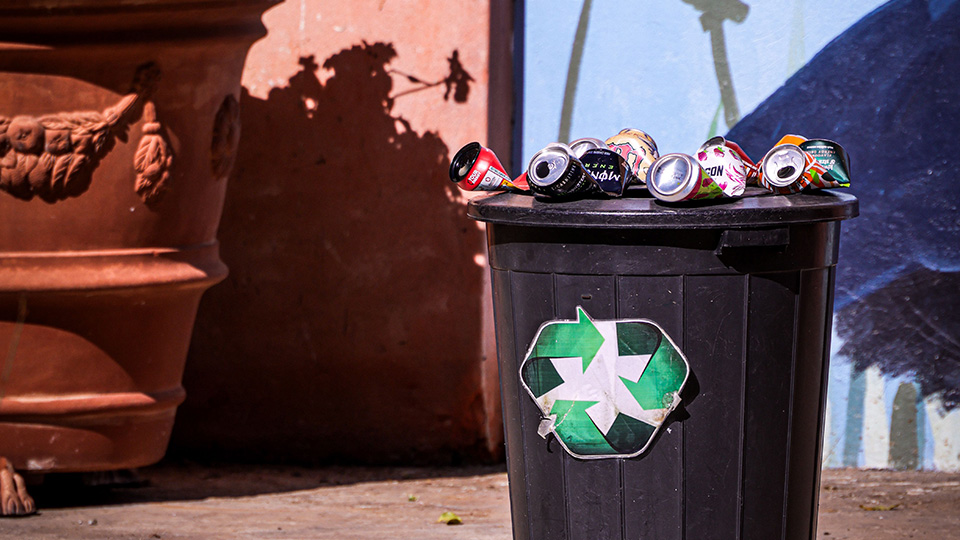
Recycling is one of the most familiar ways individuals and businesses can help protect the environment, but its benefits extend beyond keeping materials out of landfills. Recycling can help conserve natural resources, reduce waste, save energy, and support a more sustainable approach to how materials are used.
In its article, “Recycling Basics and Benefits,” the U.S. Environmental Protection Agency (EPA) provides an overview of how recycling works and why it matters. The article explains that recycling involves collecting and processing materials that would otherwise be discarded and turning them into new products.
The EPA also highlights several environmental and economic benefits of recycling. Using recycled materials can reduce the need to extract and process new raw materials, helping conserve resources such as timber, water, and minerals. Recycling can also help prevent pollution, save energy, and reduce the amount of waste sent to landfills and incinerators.
Another important part of the process is creating demand for products made from recycled materials. When consumers and businesses purchase products containing recycled content, they help support the recycling process and keep materials in use longer.
At NGK Ceramics USA, environmental responsibility is closely connected to the work we do. Learning more about practices that conserve resources and reduce environmental impact can help individuals and organizations make more informed decisions for the future.
For additional information about the recycling process, its benefits, and ways you can contribute, read “Recycling Basics and Benefits” from the U.S. Environmental Protection Agency.